
Tips for Good Litter Box Cleaning

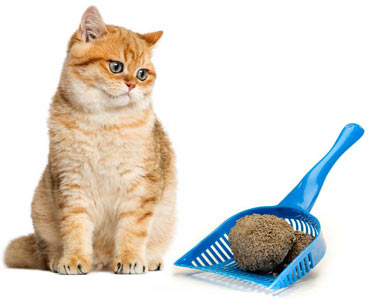
Cats are finicky creatures. If they aren't happy with the cleanliness of their litter box, they can quickly develop an aversion to it. This often leads to inappropriate urination, or urinating outside of the litter box. Here are some tips for good litter box hygiene.
- Do not use ammonia-based cleaners. These have the same type of odor to a cat as urine, so her box will smell soiled to her, and she may want to avoid it.
- Scoop out the litter box twice a day. It only takes a few minutes to accomplish this task, and it will keep you and your cat happy. It also provides you with an opportunity to monitor your cat's elimination habits, allowing you to notice health concerns sooner.
- Use a specific spoon or scoop to remove the soiled litter. Make sure you get to the bottom of the box and remove all of the clumps. Cats have a keen sense of smell, so any waste that is left in the box will create a big, offensive odor for your cat. This is a great scoop that is extremely durable. You can see our review of it here: "Product Review: DuraScoop Cat Litter Scooper."
- You can tip the litter box onto its side to reveal urine clumps in the corners, then tap or scrape them out. Repeat this from every angle.
-
Replace small amounts of litter as needed. Smooth out the litter once you've added enough to ensure there's 2-3 inches in the box.

- Remove and replace the litter every week: How often you need to replace it will depend on how many cats and how many boxes you have. As you scoop, small pieces will detach from the clumps, and you will eventually not be able to get all of the urine and feces out. Replace the litter immediately if it is generally wet or has an odor.
-
Wash the litter box at least once a week.
- Cats often dislike strong odors, especially citrus. Don't use strong-smelling disinfectants that leave residual odors. Your cat may avoid these smells by urinating outside of the box.
- Use a mild, unscented soap like Ivory®. You can follow that with a rinse of diluted bleach (1 part bleach to 9 parts water), then rinse the box with copious amounts of water and dry it thoroughly. Bleach is one of the best disinfectants available; it is inexpensive, and it kills bacteria, viruses, and fungi. Just be sure to rinse the box well after using it because whatever gets on your cat's paws will go into her mouth while she's grooming.
-
If your cat prefers non-clumping litter, pour a relatively shallow layer of it into the litter box and dump it out completely and replace it every day.
- A less desirable option to dumping every day is to scoop the litter box twice daily. You can use a slotted scoop to remove feces and a designated un-slotted spoon to scoop out urine-saturated litter. Do not spread the wet litter around the box; this just diffuses the smell and makes the box seem unclean to your cat. Add a small amount of new litter after scooping.
- You may be able to manage for two to three days with this method before changing litter and washing the box, but you will need to observe your cat carefully for any signs that she's unhappy with the situation. You can read about the signs of a developing litter box aversion here. If you see any of these signals that your cat is upset, resume dumping the litter daily.
- You will need to replace your litter box every few months. The plastic, at some point, will retain odors that just can't be removed. You may not be able to detect them, but your cat sure can.
-
A note on automatic litter boxes:
- These are self-cleaning boxes that are a great invention for humans. For cats? Well, it depends. Some cats will appreciate how clean their box is kept, but others may be downright scared of this mysterious apparatus and not go anywhere near it.
- Automatic boxes have a sensor that indicates when a cat has left the box and enough time has elapsed for the cleaning to begin. But here is the problem: If your cat is still in the room when the cleaning begins, the noise and commotion in the box may startle her so much that she will never take the chance of being in it when that racket goes off.
- On the other hand, self-cleaning litter boxes like the Litter-Robot are great for finicky cats that won't use the box if it is at all soiled, and many cats are not at all disturbed by the noise. The key is to provide a regular box in addition to the automatic box when you are first introducing the automatic one, in a different location, so that your cat has an alternative. If you notice inappropriate elimination or that your cat seems agitated from the noise, try introducing it more slowly or only allow it to run when you start it, so you can make sure your cat is safely in another room.

Warning!! Pregnant women should not clean litter boxes due to the danger of toxoplasmosis infection. Toxoplasma gondii is a parasite that cats can spread thorough egg spores in their feces. Toxoplasmosis can cause birth defects in humans. Daily scooping and disposing of litter helps to decrease the risk of becoming infected by Toxoplasma gondii because the spores require incubation for several days before they reach an infective state. If a pregnant woman must clean the litter box, it is imperative that she does it every day, wears disposable gloves, and washes her hands thoroughly afterwards. The threat of contracting toxoplasmosis is also present when women are gardening (outdoor cats love to use gardening beds as litter boxes) or consuming undercooked meat. Pregnant women should wear gloves while gardening and eat only well-cooked meat.
If your cat is urinating outside of the litter box, the first thing you should do is visit the veterinarian to rule out a medical cause.
To learn more about inappropriate urination in cats, its causes, and solutions, take a look at this article.



You May Also Like These Articles:
Cat Not Using Litter Box? Inappropriate Urination in Cats
Feline Lower Urinary Tract Disease
Why Does My Cat's Rear End Smell Bad?
How to Be Prepared for Your Cat's Veterinary Bills
Notice: Ask-a-Vet is an affiliated service for those who wish to speak with a veterinary professional about their pet's specific condition. Initially, a bot will ask questions to determine the general nature of your concern. Then, you will be transferred to a human. There is a charge for the service if you choose to connect to a veterinarian. Ask-a-Vet is not manned by the staff or owners of CatHealth.com, and the advice given should not delay or replace a visit to your veterinarian.
 Facebook
 Twitter